 Play the free presentation
Before Your Next Power Bill, See What a Small DIY Energy Project Can, and Can Not, Do
This free 26 minute walkthrough explains basic components, realistic limits, and the beginner focused digital guide behind the project.
Advertisement. Digital guide only. No savings are promised or implied.
It covers what each part does, what order things go in, and where you should stop and call a professional.
Free to watch. About 26 minutes. No email required. Results vary and nothing is guaranteed.
What you get if you buy is a download, not a device: blueprints, diagrams and step-by-step instructions written for people with zero background.
Most of us treat electricity the way we treat plumbing. It works, so we never think about it. Then the lights flicker during a storm, or the bill lands a little higher than last month, and for about ten minutes you genuinely wonder how any of it actually functions.
Then the moment passes and nothing changes. That is the honest reason this walkthrough exists, and it is why so many people who watch it are not tinkerers at all. They are just tired of not knowing.
The presentation takes the small end of home energy, the hobby end, and explains it slowly: what a coil does, what a charge controller does, what a battery bank is really for, why a small build can run a few modest loads and why it cannot do more than that.
No jargon, no engineering degree assumed. Ordinary parts from ordinary suppliers, in a deliberate order, with the reasoning explained as you go.
Free to watch. No email needed. Digital guide only, nothing is shipped.
Editor's note, so there is no confusion
This is an advertisement for a digital guide. Nothing physical is shipped. It will not power a whole house, it is not a substitute for a permitted backup power system, and no savings on your electricity bill are promised, implied or guaranteed. Small builds handle small loads. Anything touching your home's fixed wiring or your utility connection must be done by a licensed electrician, following local codes and permits. Read the price and refund terms on the official page before you decide anything.
Here is the part people mention most: you do not have to build a single thing for those 26 minutes to change how you look at your own house.
Which circuits would actually matter at 2am. What you truly need running versus what you only assume you need. How much of your monthly usage you have simply never looked at.
That understanding is useful whether you ever pick up a screwdriver or not, and it is free to get.
What the presentation covers
- The basics of small-scale DIY energy, explained for absolute beginners
- What each component does and why it is there, in plain language
- How a simple build is assembled, step by step and in order
- Which small household loads people typically plan around first
- The honest limits: what a hobby-scale build cannot and should not do
- Where the safety line sits, and when to stop and call a licensed electrician
Beginner-friendly digital blueprints, downloaded and read at your own pace. The presentation is free to watch. Results vary by home, parts and local rules.
Free to watch. No email needed. Digital guide only, nothing is shipped.
So What Does A Build Like This Actually Look Like?
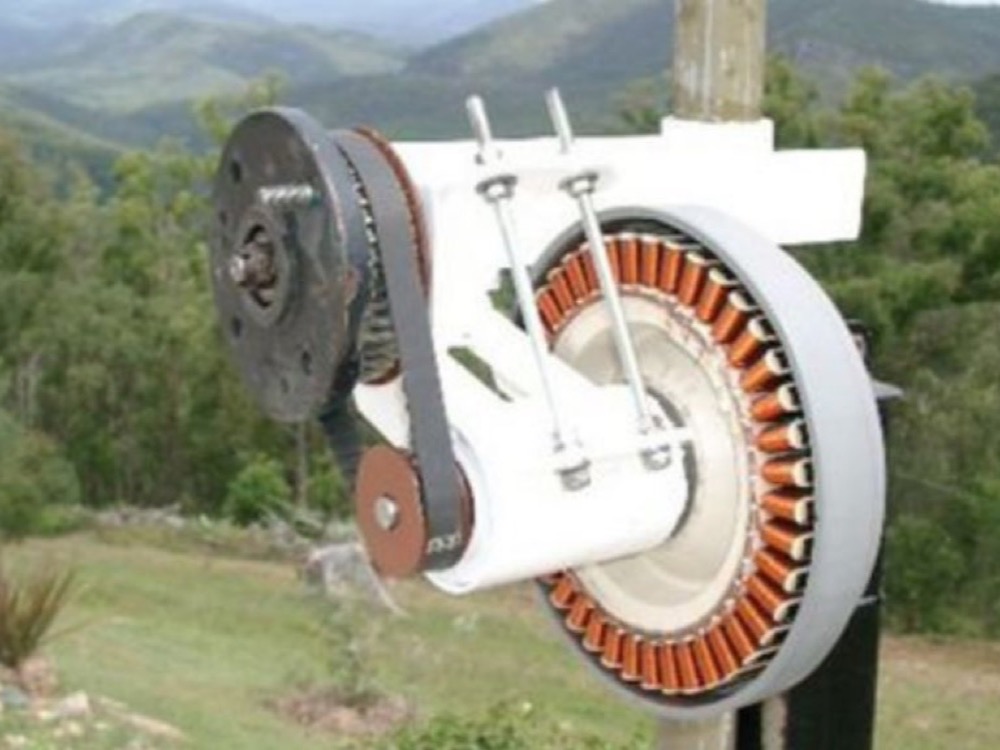
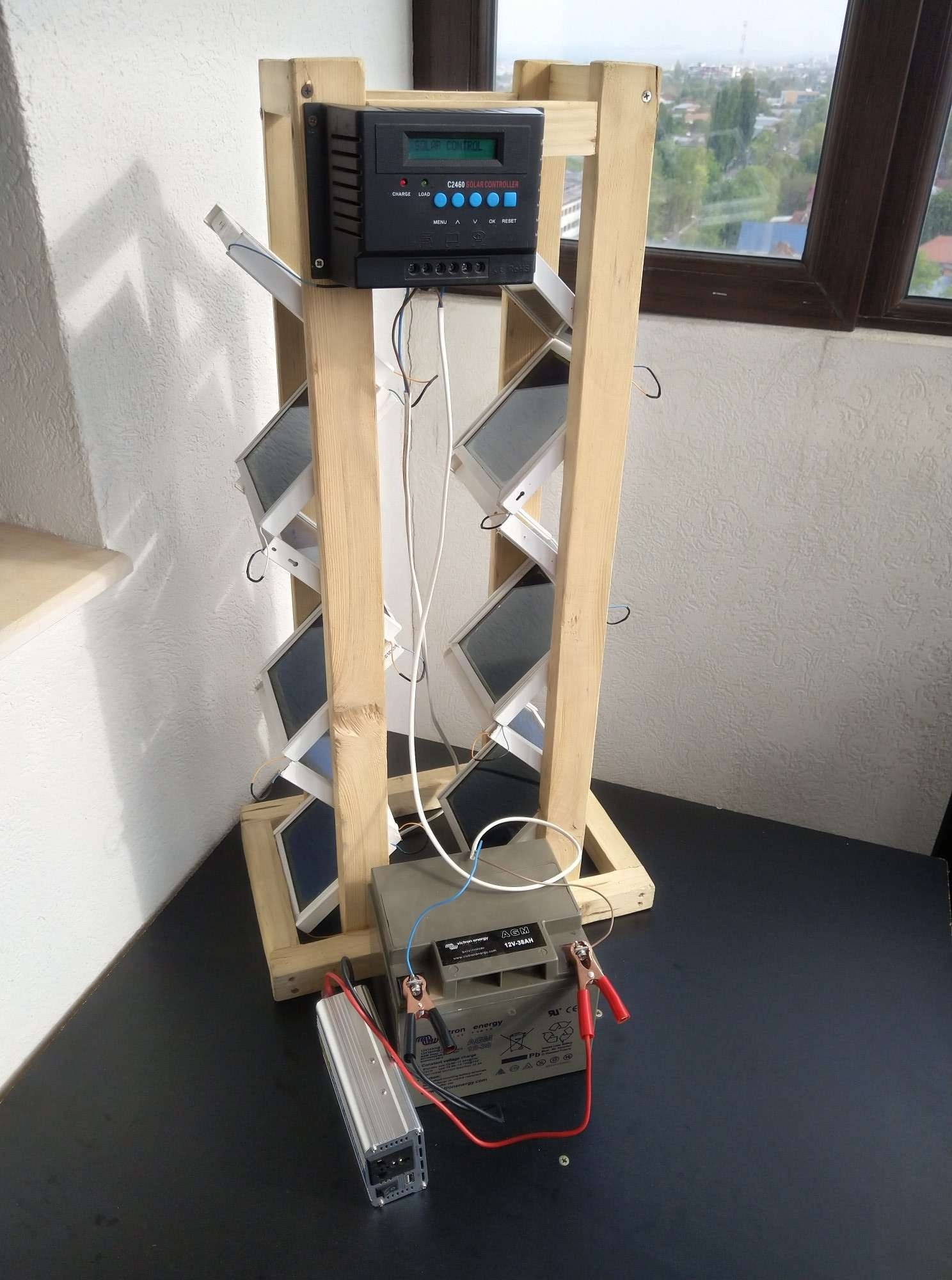
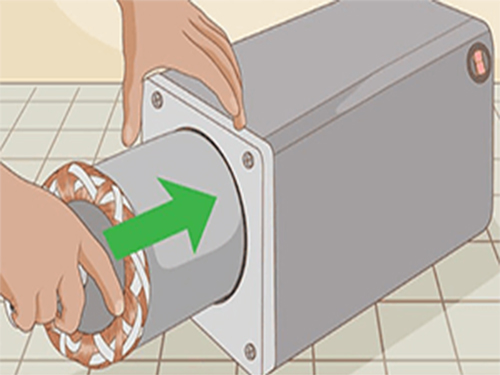
Nothing mysterious. Coils, frames, wire and ordinary hardware, assembled in a deliberate order and explained slowly enough that a first-timer can keep up. Not magic. A weekend project with real limits.
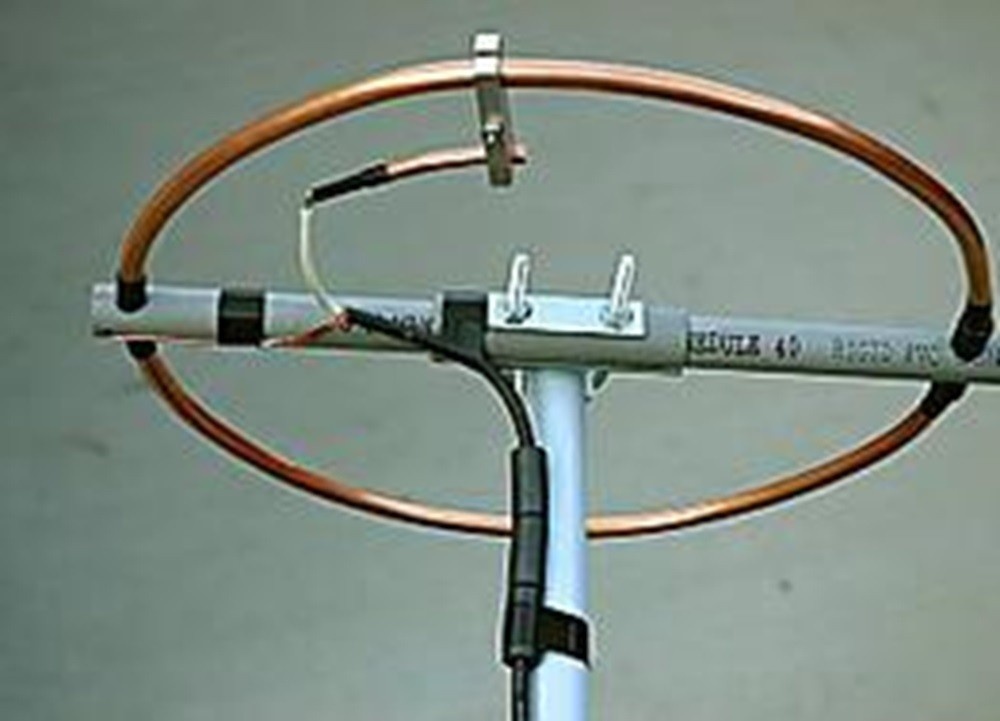
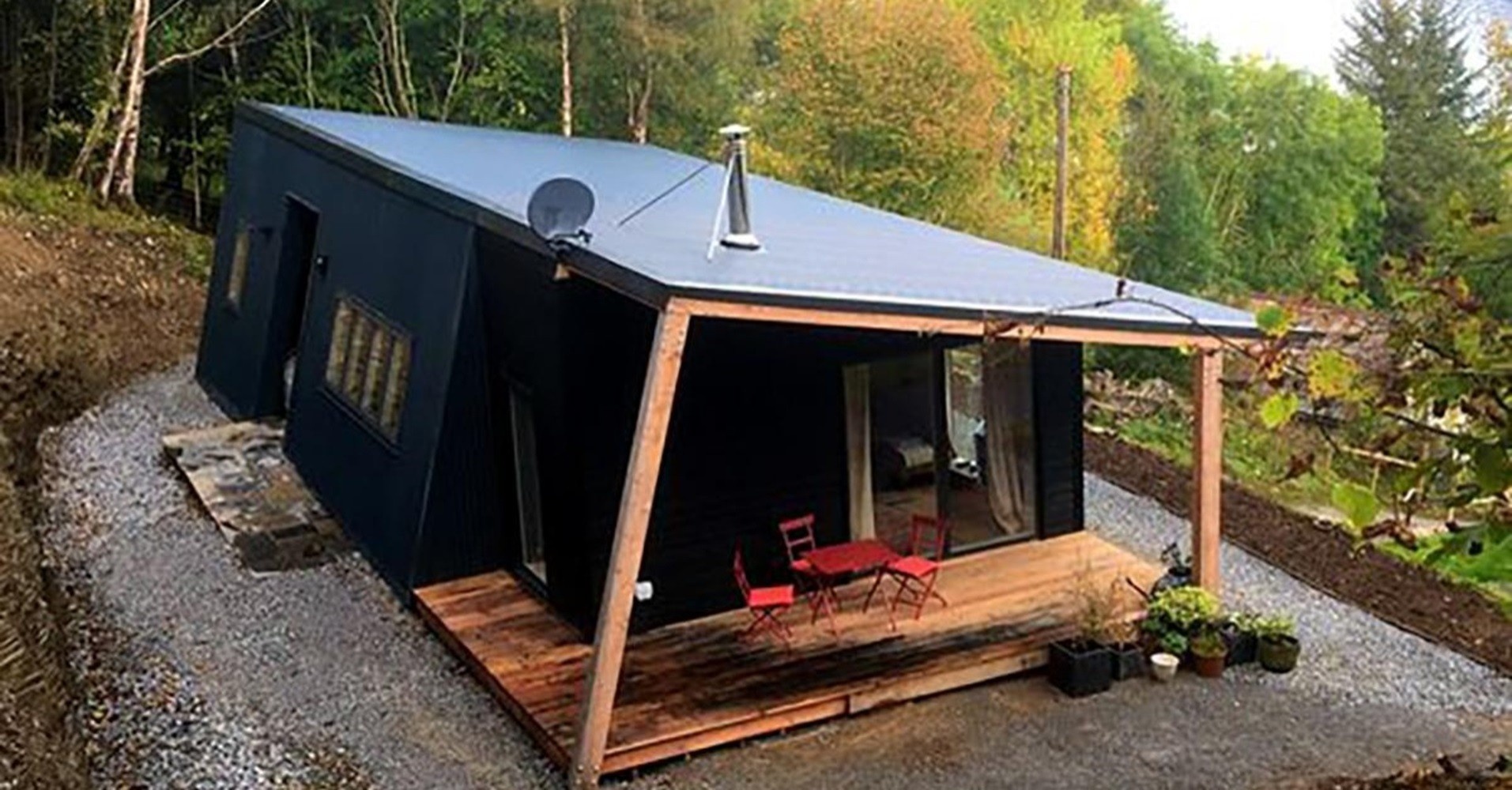
Photos are illustrative examples of small DIY energy projects, not the product. Results vary by home, parts and local rules. Follow manufacturer instructions and use a qualified professional for any electrical work.
Free to watch. No email needed. Digital guide only, nothing is shipped.
Straight Talk: Plenty Of People Should Close This Tab
It is a hands-on learning guide with honest limits, and it will disappoint anyone hoping for a shortcut. One of these columns is you. Pick your side before you spend 26 minutes.
A good fit if
- You like understanding how things work instead of just paying for them
- You would rather follow a clear printed step than a vague theory
- You have a garage, shed, cabin or workbench and enjoy weekend projects
- You are comfortable with a learning project that has honest limits
Skip it if
- You want a finished device shipped to your door, ready to plug in
- You want guaranteed savings or a specific dollar figure
- You expect it to replace a licensed, permitted electrical system
- You are not willing to follow local codes or call a professional when needed
Left column sound like you? Watch it and judge it yourself.
The Questions People Ask Before They Watch
I have never wired anything in my life. Can I still follow it?
The material is written for complete beginners, and it explains each component in plain language before asking you to touch anything. Read it first, decide second. And to be clear about the limit: anything connected to your home's fixed wiring or your utility service is a licensed electrician's job, and nothing in the guide changes that.
What exactly am I buying? Is something shipped to me?
Nothing is shipped. There is no physical product, no device, no kit and no box. It is a digital guide with blueprints and instructions that you download and read online. Any parts you decide to buy, you buy yourself from ordinary suppliers.
Will this lower my electricity bill?
We are not going to promise you a number, and you should be sceptical of anyone who does. A small DIY build can only ever supply small loads, and what that is worth depends on your home, your parts, your climate and your local rules. Treat it as a learning and hobby project first.
Can it power my whole house or run during an outage?
No. Small hobby-scale builds are not a substitute for a permitted backup power system, a standby generator or a licensed installation. If whole-home backup is your goal, talk to a qualified electrician about properly rated equipment.
Is this safe?
Electricity deserves respect. The guide covers where the safe boundaries sit and when to stop and call a professional. You are responsible for following manufacturer instructions, local codes and permit requirements, and for using protective equipment.
What does it cost and what if it is not for me?
The price and the current refund terms are written on the official page by the seller, before you pay anything. Read them there. Watching the presentation itself costs nothing.
How long is the presentation?
Roughly 26 minutes, and it starts immediately with no signup wall or email required. The opening few minutes tell you fast whether the rest is worth your time.
Twenty Six Minutes, Or Keep Guessing How It All Works?
Watch it and judge the whole thing yourself. The basics, the build, what is included, the price and the refund terms, straight from the source. It costs nothing to look, and you can stop any time.
Affiliate disclosure: we may earn a commission if you purchase through this link, at no additional cost to you.